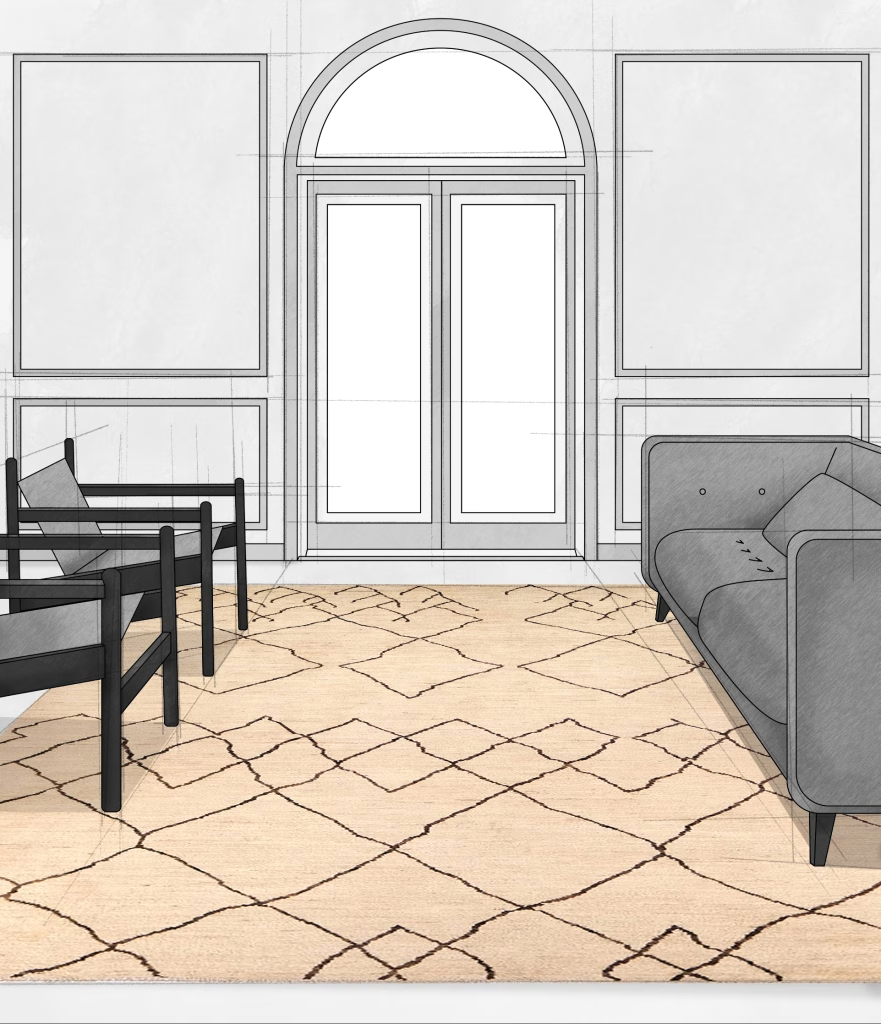
Sizing an Area Rug: A Room-by-Room Placement Guide
When it comes to sizing an area rug, scale and placement matter. The right rug anchors your furniture, defines your layout and creates balance in every room. Use this room-by-room rug sizing guide to determine the best size and placement for your space.
In this Guide: How to Choose the Right Rug Size for a Room
How does living room rug placement shape the overall layout? Learn about rug sizing for living room spaces and how to anchor sofas, sectionals and coffee tables.
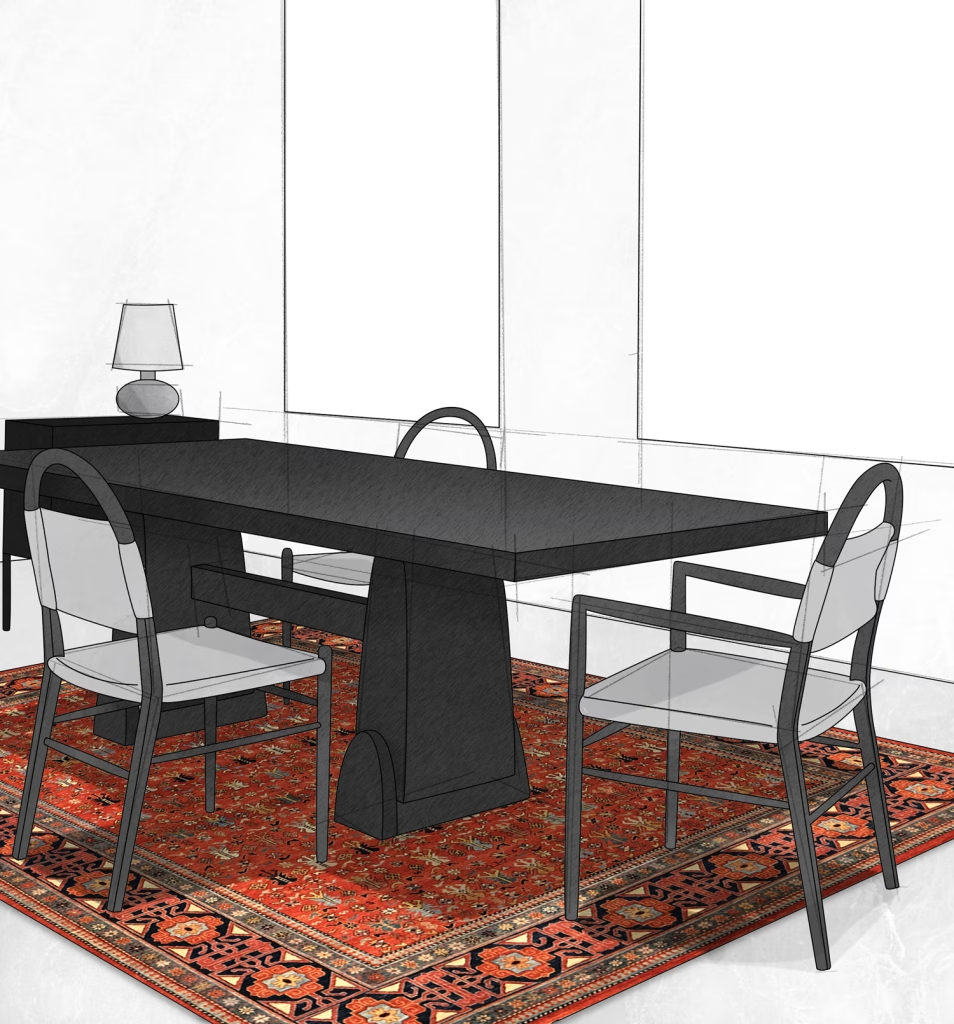
What is the right dining room area rug size? Pro-tip: Make sure chairs stay fully on the rug.
How should you approach rug placement under beds? Explore full coverage and two-thirds placement options.
What works best for the right kitchen rug size and runner rugs for hallways? Discover smart rug sizing tips for high-traffic spaces.
Living Room Rug Placement + Sizing
When thinking about area rug placement in living room layouts, flexibility is key. Nailing proper living room rug placement starts with understanding scale and proportion. Most living rooms can accommodate multiple configurations. However, when sizing an area rug, there are two tried-and-true approaches to consider:
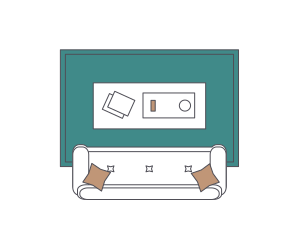
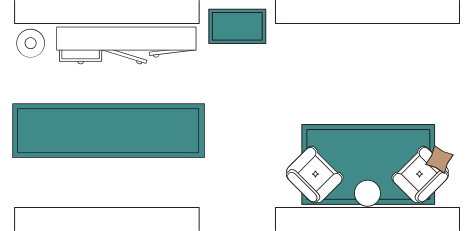
Anchor the space by placing the rug beneath the coffee table and the front legs of your seating (fig. 1). This works well for small living room rug placement or open-concept layouts where you want definition without overwhelming the floor plan.
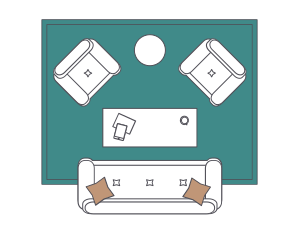
Choose a rug that’s large enough to sit under your entire seating arrangement (fig. 2). This creates a more unified, grounded look and is ideal for larger rooms or when you want the furniture to feel fully connected.
Whether you’re planning a sectional rug placement or a couch rug placement, these guidelines help ensure your rug supports both the scale and flow of your space.
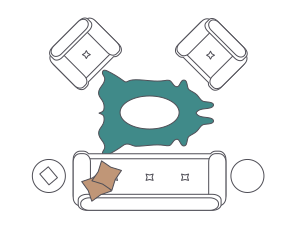
Feeling adventurous? Use a hide instead of a rug (fig. 3). Hides are also perfect for smaller spaces.
(fig. 1) 8' x 10'
(fig 2) 10' x 14'
(fig. 3)
Dining Room Rug Placement + Sizing
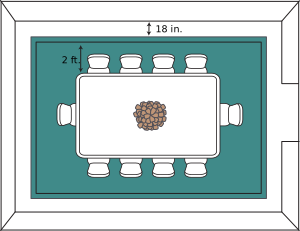
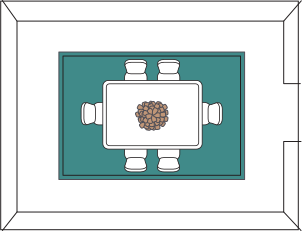
Thoughtful rug placement in dining room layouts starts with proportion. When selecting area rugs in dining room settings, the rule of thumb is to have 18 inches of hardwood floor showing between the rug and the wall. Additionally, for the right dining room area rug size, you should also aim for at least two feet of rug on all sides of the table to accommodate chairs comfortably.
Still wondering what size rug in dining room works best? Ultimately, the key is ensuring you can slide chairs in and out while keeping all four legs fully on the rug. If your room doesn’t allow for this, choose the size that feels balanced and functional in your space.
10' x 14'
8' x 10'
How much of the rug do you want to show?
Bedroom Rug Placement + Sizing
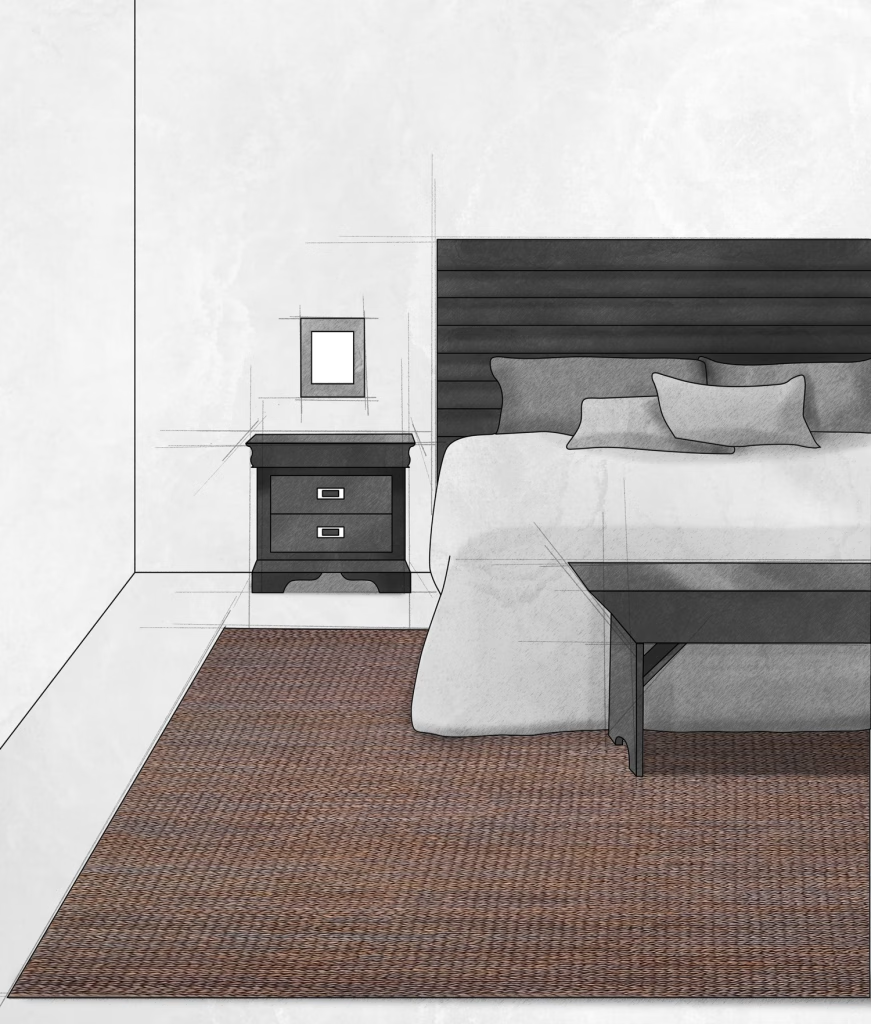
When planning bedroom area rug placement, start by allowing 18 inches of floor between the walls and the rug to create balance and breathing room. There are several options for rug placement under bed, depending on the look you want to achieve.
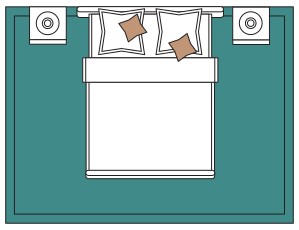
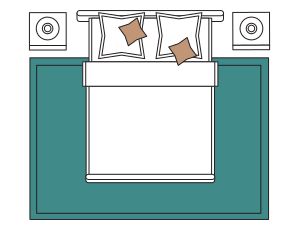
You may want the entire bed on top of the rug for a fully anchored feel (fig. 1). Alternatively, you can position the rug under the bottom two thirds of the bed, which keeps the space grounded while minimizing excess coverage (fig. 2). For king bed rug placement, a 9×12 rug or larger is typically required to maintain proportion.
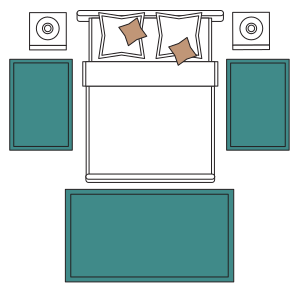
Looking for another solution for rug placement in bedroom? Try framing the bed with 3×5 or 4×6 runners (fig. 3). This highlights your rugs while giving you a soft landing underfoot each morning. Don’t forget: Sheep hides also make great substitutes for runners.
(fig 1.)
(fig 2.)
(fig 3.)
Kitchen Rug Placement + Sizing
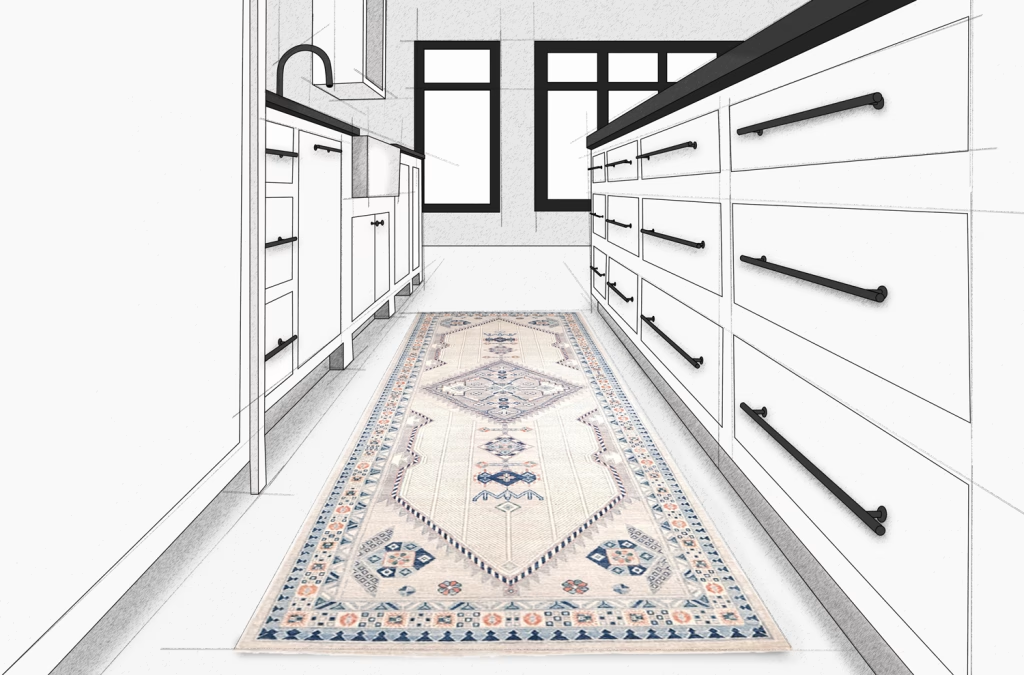
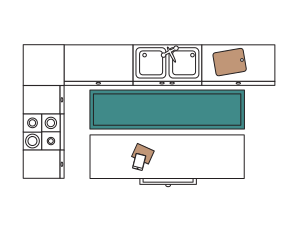
Smart rug placement in kitchen design balances comfort and proportion. For example, one of the easiest kitchen rug placement ideas is placing a runner in front of the sink for both function and style. When determining the right kitchen rug size, make sure it spans the primary prep area (at least the width of the sink base) and pair it with a quality rug pad. Your feet will thank you!
Looking for a quick kitchen rug size guide? In eat-in kitchens, round or square rugs work best beneath the table. Ideal kitchen rug sizes should extend about 18 inches beyond the table edge to allow chairs to move in and out comfortably.
2.5' x 10'
Entryway and Hallway Rug Placement + Sizing
Looking for fresh entryway rug ideas? This is where smaller rugs truly shine. Thoughtfully chosen foyer rugs and runners help define the space and introduce your style the moment guests step inside. Think 2×3 rugs, 4×8 rugs or 5×8 rugs.
For extended corridors, a single long hallway rug may feel lost. One of the most practical solutions for runner rugs for hallways is placing two coordinating runners instead of one oversized piece. (Just be sure they don’t stop in the center of a doorway to maintain visual flow.)
4'x12', 2'x3' , 5x8'
Why Quality Matters After You’ve Sized It Right
Now that you understand sizing an area rug by room, the next step is knowing what to look for when buying a new rug. Hear from Green Front President and CEO Den Cralle as he shares how Green Front travels the world to hand-select authentic, handcrafted rugs straight from the source.