Rug Care Tips + How to Clean a Rug
Wondering how to clean a rug without damaging it? From everyday rug care tips to material-specific cleaning advice, this guide covers how to properly maintain wool, jute, hide and silk rugs — plus when to schedule professional rug cleaning.
What You’ll Learn About Rug Care + Cleaning
- How do you clean a rug without damaging it?
Learn safe vacuuming, spot cleaning and rotation techniques.
- How do you clean a wool rug, jute rug or cowhide rug?
Get material-specific rug care tips for natural fibers and hides.
- How often should rugs be professionally cleaned?
Understand when to schedule deep cleaning for wool and hand-knotted rugs.
- Do you need a rug pad?
Discover how rug pads protect floors and extend the life of your rug..
Basic Rug Care + Cleaning Tips
Couldn’t quite keep those hands steady at wine o’clock? Kids and pets just doing what they do? Don’t sweat it. Spills happen. We’ve got some great rug cleaning tips to keep your rug looking its best.
- How to Vacuum a Rug: Don’t use a high-powered vacuum or rotating brush roll. Those are meant for wall-to-wall carpets and can damage the fibers of a hand-knotted rug over time. (This is especially important for high-pile rugs, which have longer fibers that can snag or pull.) Instead, use the hardwood floor or low-suction attachment for a longer rug life. In high-traffic areas, vacuum once or twice a week. Skip the fringe to prevent pulling.
- How to Spot Clean a Rug: Just had a spill? Act quickly and blot (never rub) with a clean cloth. Use mild soap and water for fresh stains and avoid harsh chemicals or steam cleaners, especially on wool rugs. If that doesn’t work, use a dry solvent powder cleaner labeled for wool or natural fiber rugs. For larger or stubborn stains, professional cleaning is recommended.
- How to Rotate a Rug: Rotating a rug is an easy way to extend its life. Turn your rug 180 degrees every 6 to 12 months to prevent uneven wear and fading, especially in sunny or high-traffic spaces. Regular rotation helps maintain both color and structure over time.
Clean Smart: How to Care for Every Type of Rug

How to Clean a Wool Rug
Wondering how to clean a rug without damaging the wool fibers? Start by vacuuming gently with low suction and no rotating brush. For spills, blot immediately with mild soap and water — never scrub. Knowing how to care for a wool rug properly helps preserve its natural lanolin protection and long-term durability. While wool rugs are considered some of the most easy care rugs, professional cleaning every few years keeps them looking their best.
How to Clean a Jute Rug
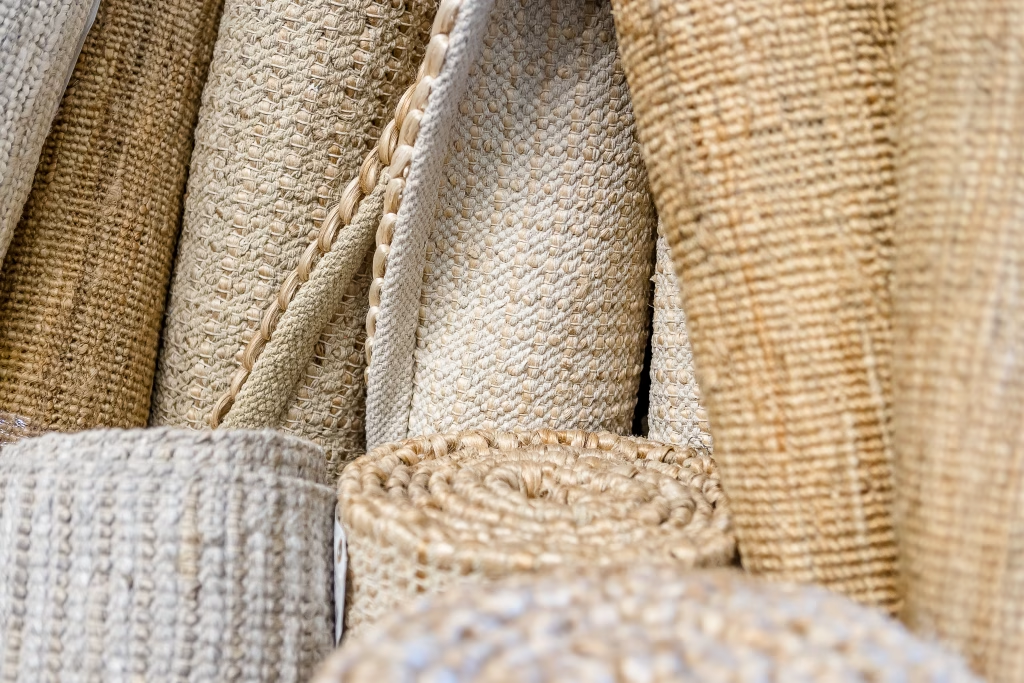
When it comes to jute rug care, moisture is the enemy. Vacuum regularly and blot spills immediately with a dry cloth. Avoid soaking the fibers, as excess water can cause staining or weakening.
How to Clean a Hide Rug
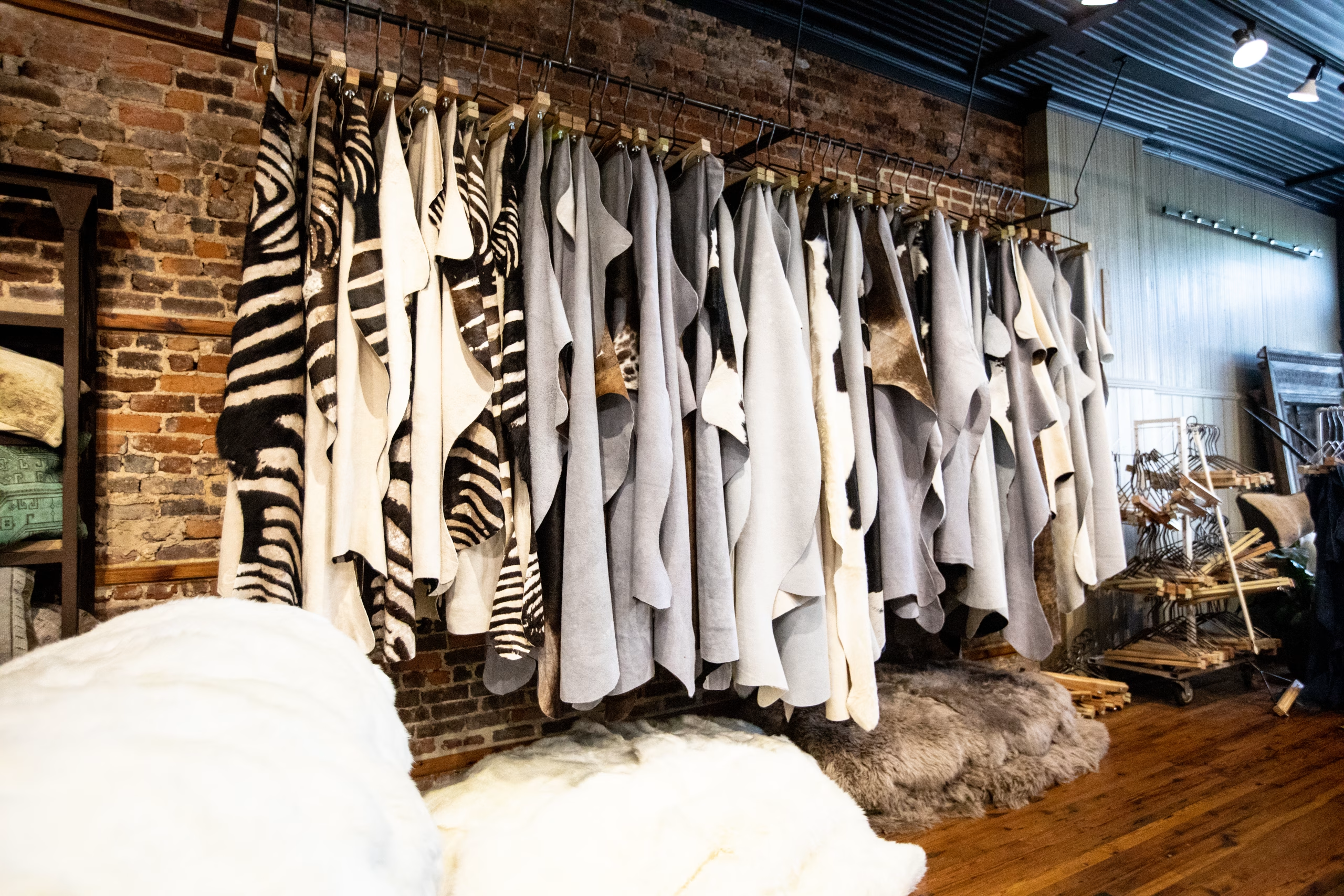
Wondering how to clean a cowhide rug? Proper cowhide rug care avoids oversaturation and harsh chemicals. Start by shaking it out regularly. Then vacuum gently using a brushless attachment. Spot clean with a lightly damp cloth and mild soap when needed. If you’re researching how to clean a sheepskin rug, the process is similar. For routine sheepskin rug care, shake it out and lightly brush to maintain softness and texture. Because sheepskin is more delicate than cowhide, professional cleaning is recommended for deep stains or heavy soiling.
How to Clean a Silk Rug
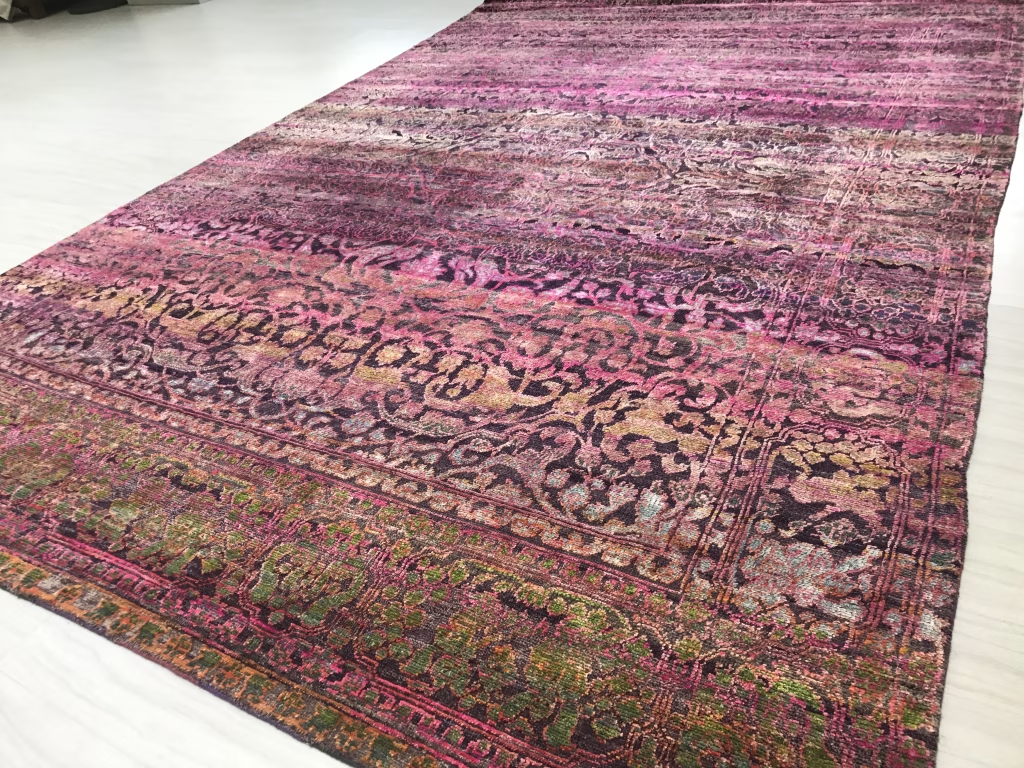
Remember that silk fibers are delicate and should never be scrubbed or exposed to harsh cleaners. Light vacuuming without a brush roll is safest. For proper silk rug care, professional cleaning is strongly recommended to protect the rug’s sheen and structure.
When to Schedule Professional Rug Cleaning
Even with consistent rug care and cleaning, certain situations call for professional rug cleaning. If you’re wondering how often rugs should be professionally cleaned, most wool and hand-knotted rugs benefit from a deep cleaning every 1–3 years. Homes with heavy foot traffic, pets or children may require more frequent service, while lower-traffic spaces can often go longer between cleanings.
It may be time to schedule professional cleaning if you notice:
- Visible traffic patterns or dullness
- Lingering odors
- Embedded dirt that vacuuming won’t remove
- Spills that have soaked through
- Water damage
Professional cleaning removes debris trapped deep within the fibers that household vacuums simply can’t reach. For silk rugs, antique rugs or heavily soiled wool rugs, expert cleaning is the safest way to protect your investment.
Secure Your Rug + Protect Your Floors
Do I need a rug pad?
Short Answer: Yes.
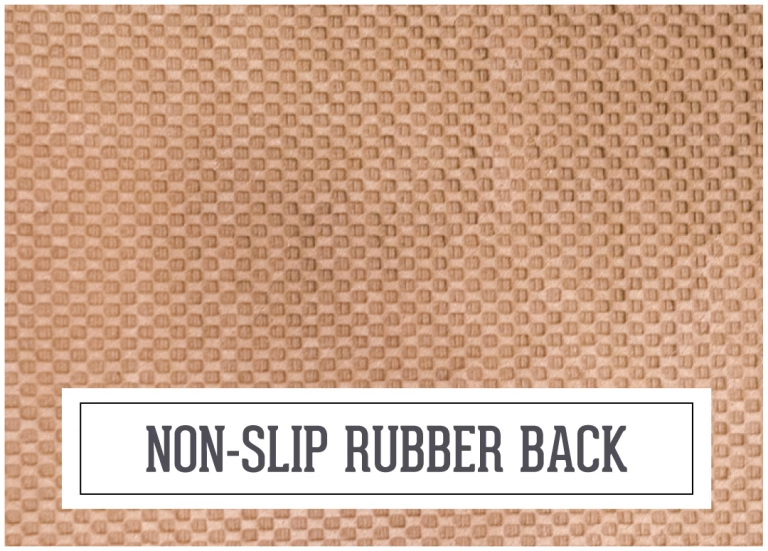
What is a rug pad? A non-slip rug pad keeps your rug securely in place, adds comfort underfoot and protects the floor beneath it. Rug pads also extend the life of your rug by reducing friction, preventing shifting and minimizing edge fraying.
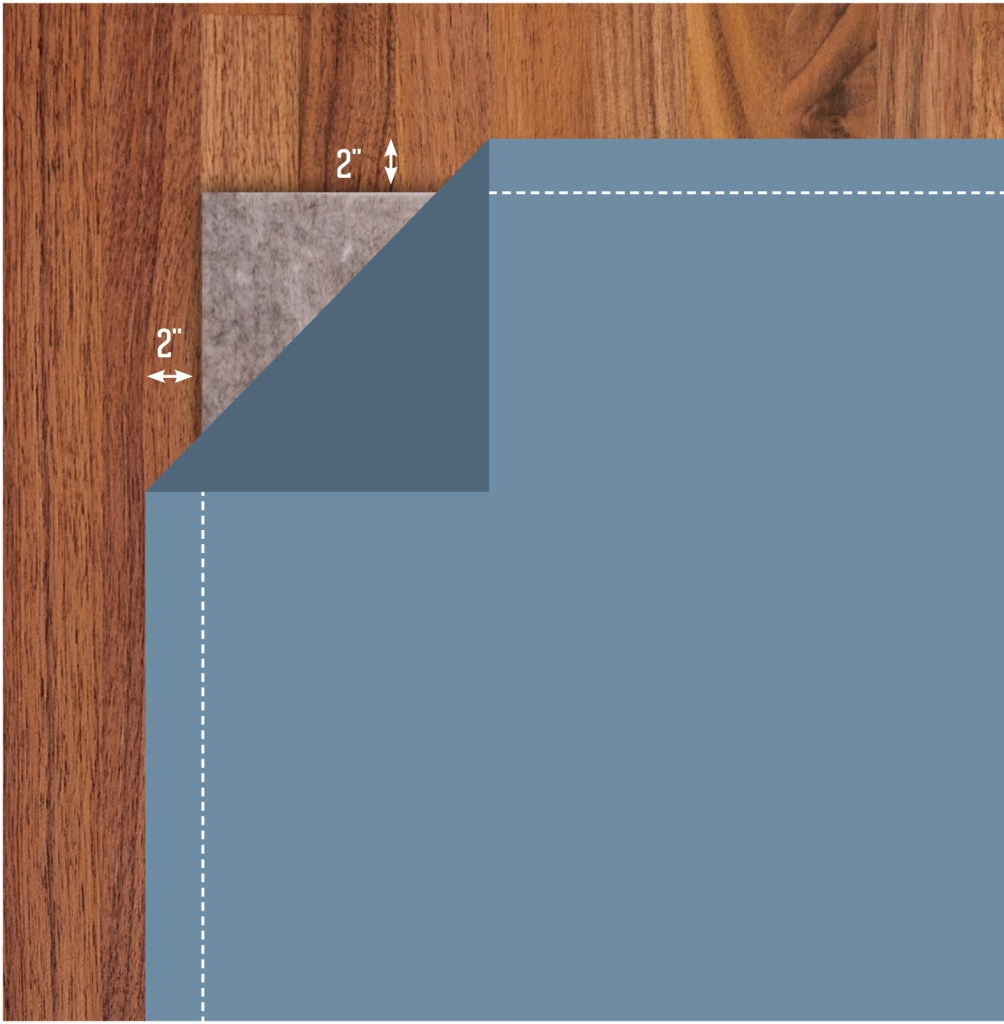
What size rug pad should I buy? A good rule of thumb is to choose a pad that’s two inches shorter than your rug on all sides. This prevents the pad from showing beyond the edges. (Be sure not to include fringe in your measurements.)
Do I need custom-cut rug pads? Some rugs — especially one-of-a-kind, hand-knotted pieces — may require a non-standard size. We cut custom rug pads in our Farmville flagship store to ensure the perfect fit for your Green Front rug.
Secure Your Rug + Protect Your Floors
Do I need a rug pad? Short Answer: Yes.
What is a rug pad? A non-slip rug pad keeps your rug securely in place, adds comfort underfoot and protects the floor beneath it. Rug pads also extend the life of your rug by reducing friction, preventing shifting and minimizing edge fraying.
What size rug pad should I buy? A good rule of thumb is to choose a pad that’s two inches shorter than your rug on all sides. This prevents the pad from showing beyond the edges. (Be sure not to include fringe in your measurements.)
Do I need custom-cut rug pads? Some rugs — especially one-of-a-kind, hand-knotted pieces — may require a non-standard size. We cut custom rug pads in our Farmville flagship store to ensure the perfect fit for your Green Front rug.